Stem Cell
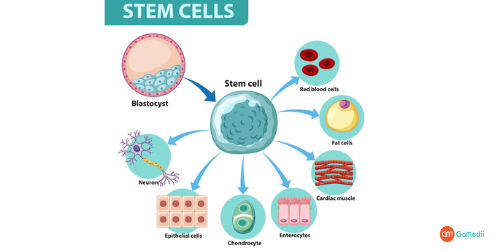
Stem cells are also called basic cells. Stem cells also have the ability to repair damaged cells. The human body is made up of innumerable cells and they have their own functions. With this, almost all the cells of the body can be created artificially. These cells have strong healing power. They can develop in any type of cell.
Types of Stem Cells
Stem cells are useful in repairing damaged parts of the body. They are of two types.
- Embryonic Column Cells – Cells obtained from the early stages of the embryo are called embryonic column cells. Almost every part of the body may be made up of these types of columnar cells. These cells divide many times to form cells that are fully capable.
- Adult Columnar Cells – These columnar cells are found throughout the body. Their number is higher in children than in the elderly. Adult columnar cells are needed to repair wear and tear in the body. Bone marrow, peripheral blood, tissues, muscles. It is obtained from tissues, cartilage, brain tissues, etc.
Uses and Benefits of Stem Cells
Through this, treatment of diseases like Alzheimer's, Parkinson's, leukemia, arthritis, brain injury, heart disease and diabetes will become very easy.
To get rid of dental problems, stem cells are prepared and transplanted into the gums, from where teeth emerge.
Through stem cells, every step of the process of human development can be understood, which is difficult to understand in the embryo developing in the uterus.
Scientists have grown a thin sheet of totipotent stem cells in the laboratory using embryonic stem cells. This sheet is transplanted into damaged patients. After this the eyes start working properly.
Treatment of bone related diseases can be made easier by developing new bones through stem cells.
In the future it will be possible to test drugs on embryos made from stem cells, eliminating the need for monkeys and research.
Blood cells can be made from bone marrow stem cells, which will help control diseases related to the blood circulation system.
Cells destroyed by HIV infection can be regenerated.
Learn Treatment with the Help of Stem Cells
Nowadays many types of diseases are being treated with the help of stem cells in the environment, this method of treatment is completely unique, this treatment method is being used for the treatment of many types of diseases since 1960, and blood stem has been in use for years. Introduced in 1980, umbilical cord blood stem cells have been used in more than 10,000 transplants; the main diseases that can be treated are listed below.
The cells have been used in the treatment of chronic leukemia, such as chronic myelogenous leukemia, chronic lymphocytic leukemia, etc.
With its help, treatment of myelodysplastic syndrome has also become possible.
Treatment of many histiocytic disorders like familial erythrophagocytic, lymphohistiocytosis, histiocytosis-X etc. can also be possible through it.
With its help, various types of acute leukemia like acute lymphoblastic leukemia, acute myelogenous leukemia, acute biphenotypic leukemia, acute undifferentiated leukemia, etc. are treated.
Stem Cell Therapy
Stem cell therapy is the use of stem cells to cure or prevent a disease or condition. Damaged cells are repaired by generated stem cells, which can also speed up the healing process in injured tissues. These cells are essential for tissue regeneration and transplantation.
Stem Cell Transplant
Stem cells are new or immature blood cells that make up your bone marrow. Your bone marrow is the soft spongy center of your bone. These stem cells develop into all types of blood cells, including white blood cells that carry oxygen throughout the body and help blood clot. Stem cells continuously produce new blood cells to replace aging or damaged blood cells.
Stem Cell Transplant Procedure
If the patient is receiving his or her own stem cells, the doctor will draw blood from the patient's own body so he or she can extract healthy stem cells for transplant. To do this, they connect veins in both the patient's arms to a cell separator machine. The machine draws blood from one of the patient's arms, filters the blood, and then returns it to the body through the patient's other arm. There is no harm from this process.
The doctor may need to take blood more than once to make sure they have enough stem cells for transplant. The actual transplant involves receiving stem cells from the patient through the CVC. If the patient is not healthy then the doctor can also suggest a donor for this.
The patient's new stem cells will need time to produce new blood cells. If you received donor stem cells, your transplanted stem cells will replace the unhealthy stem cells and it will take time for a new immune system to begin building.
Either way, the patient will need to be kept in the hospital or in constant contact with the doctor for several months so that the doctor can monitor the patient's health. The doctor can also advise about the procedure after stem cell transplant.
Pre-treatment chemotherapy:- This can protect the patient from infection.
Some patients may experience nausea, vomiting, and diarrhea after the transplant. Your doctor will give medicine to reduce these symptoms so that the patient can feel better.
If the patient has received cells from a donor, doctors recommend taking certain medications to reduce the chances of his or her body rejecting the donor cells.
You may need a blood transfusion to replace red blood cells and platelets.
Stem Cell Protection
Stem cell preservation is also known as stem cell storage or stem cell banking. It is the process of obtaining stem cells from the human body, processing them, and storing them for future use.
A major fact is that stem cells can be easily preserved by obtaining them from the umbilical cord, which is one of the richest sources of stem cells.
Around 60,000 stem cells are transplanted every year across the world, while 2000 stem cells are transplanted every year in India. But according to the prevalence and progression of the disease, the need for stem cell transplant is around 1 lakh. Therefore, there is a need to increase the process of stem cell conservation in India.
Benefits of Stem Cell Conservation
It can save lives
Useful for clinical trials and research purposes
Stem cells can replace damaged cells
The biggest advantage of using stem cells is that these cells are from our own body and our immune system does not reject them as foreign.
Stem cell banking is an effort towards providing health security to the child.
In today's environment, many parents are now choosing to deposit the umbilical cord into a stem cell bank, so that these life-giving stem cells and tissues can be used in case of future diseases.
There Are Two Types Of Stem Cell Banking: Public And Private.
Under public stem cell banking, parents voluntarily donate their child's umbilical cord blood cells to the bank. With their help any needy person can be treated.
Under private stem cell banking, the baby's umbilical cord blood cells are stored, to be used to treat the child or a family member.
It is believed that once validated, stem cells could be used in up to 80 types of medical conditions.
In the process of stem cell banking, cells can be preserved cryogenically (at a temperature of -196 degrees) for many years.
In the laboratory, cells are cultured in the presence of appropriate nutrients and growth factors that activate specific genes. Cell division increases and specialized tissues are formed.
Stem Cell Transplant Cost in India
The cost of stem cell transplant in India ranges from $6000 to $12,000, which includes $2000 for each cycle. The price can reach $4000 to $6000 per session depending on the situation. India offers stem cell transplants at about one-seventh the cost compared to countries like the UK and USA.