Kidney pain is one of the most severe pains that any person can experience. It is felt at a particular place or on one side. The most important and common cause of kidney pain is kidney stones. It is important to differentiate it from other causes of back pain. You will find answers and treatments to every question related to pain caused by any disease or damage in the kidney in this article.
Where Does Kidney Pain Occur?
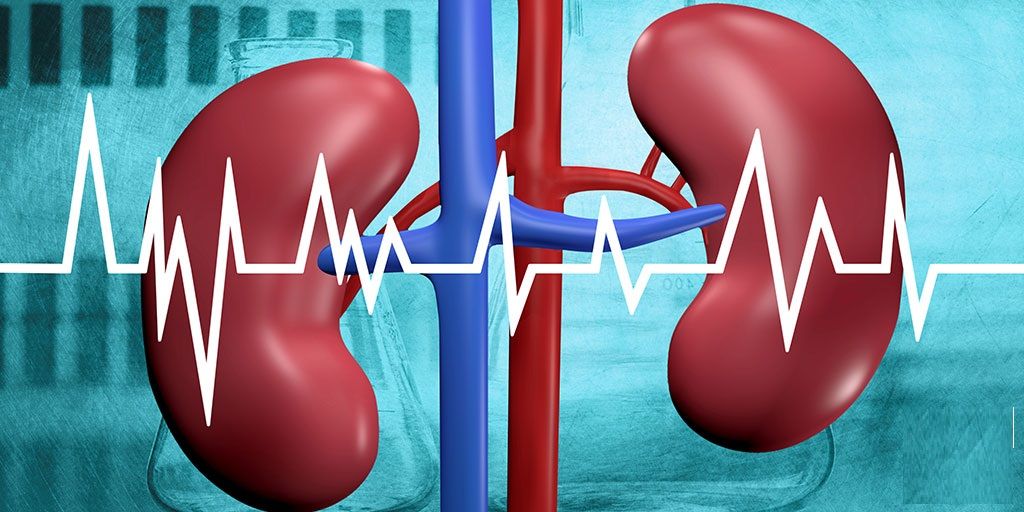
The kidneys are located towards the back of our body and are located below our ribs. The kidneys are more towards the back. Therefore, if there is any problem in the kidneys, the kidneys indicate it in the form of pain.
What is kidney pain like?
The symptoms of your pain can help you figure out what problem is causing the pain. This pain can be mild or severe, the intensity of the pain depends on the severity of the problem and kidney pain feels like cramping pain. Pain may increase if there is kidney infection or stones. It does not change with changes in condition and sometimes resolves on its own without treatment. Depending on the cause of this pain, it can cause compression of the genitals of both women and men. Due to which symptoms like blood in urine, fever, burning sensation while urinating and pus in urine etc. can be seen. Apart from this, if the cause of this pain is not detected and treated, then this pain can recur in a few hours or a few days.
Main Causes Of Kidney Pain
In such problems, you may have pain in the upper or middle part of the back. Some of the main causes of kidney pain include-
- Kidney or urinary stones
- Any serious kidney infection such as pyelonephritis
- Polycystic kidney disease
- Blood clot in kidney
- Kidney bleeding
- Blockage in kidney blood vessels
- Kidney injury
How Is Kidney Pain Different From Back Pain?
Pain due to kidney problems usually occurs below the ribs and on either side of the spine. It feels as if the center of pain is deep in the body. This pain can be felt on both sides or on one side, depending on whether the problem is in one kidney or both. Kidney pain usually starts from the sides of the back and can spread to the abdomen, thighs and lower abdomen i.e. the genitals.
Additionally, back pain is common, with one study showing that approximately 80 percent of adults experience lower back pain at some age or stage in their lives. The main cause of back pain is thought to be problems affecting the muscles, bones or nerves of the back. The severity of pain depends on the problem. Many times it becomes difficult to differentiate between kidney pain and back pain, after which the specialist has to find out the cause of the pain through his experience and scanning, blood and urine tests. Help is available.
(People Also Like to Read: Empowering Patients: Thalassemia Treatment in India)
Tests to Be Done For Kidney Pain
Certain tests are required to identify the problems or diseases due to which the patient faces kidney pain. Often, along with kidney pain, there is a burning sensation while urinating and blood in the urine. After identifying the disease, your specialist may ask you to undergo some tests according to your symptoms to know its treatment. Know which tests and investigations are done to identify kidney problems-
Urinalysis
This is a simple test through which it is found out whether there is any infection in the kidney.
Serum Creatinine, Blood Urea Nitrogen Test
Generally, creatinine can be normal even in case of severe kidney pain. If creatinine level in the blood increases then it indicates serious kidney infection. The blood urea nitrogen (BUN) test measures waste products and their amounts in the blood. The BUN test measures the amount of nitrogen in the blood. Urea nitrogen is a part of protein.
Urine Culture Test-
This test is usually done to digest the bacteria causing urinary tract infections.
USG- KUB or CT-KUB scan-
Ultrasound scan of the abdomen and KUB (kidney, uterus and bladder) is done to see the presence of kidneys in the body. If your specialist needs a CT scan/X-ray to know other information.
Treating the Underlying Cause of Kidney Pain
Treatment of kidney pain depends on what is the cause of this pain. To find out these reasons, experts can find out the reason and give appropriate treatment like-
To treat stones, no steroidal anti-inflammatory drugs (NAISDs) are prescribed to relieve pain, and antibiotics to prevent infection. Apart from this, surgery etc. can also be advised for permanent treatment of stones.
Kidney infections such as pyelonephritis can be treated with antibiotics.
Aftermath and recovery
Recovery rates vary depending on the kidney treatment. Dialysis patients have a 20%–30% recovery rate after a year of therapy and a less than 50% 5-year survival rate. Persons who receive transplants have a survival rate of about 70%-80% after five years.