In childhood cancer, transplantation is primarily done to treat leukemia (cancer of the blood), usually when standard treatment for the cancer fails. Leukemia, cancer of the blood and bone marrow, produces damaged white blood cells in the body, making the patient very sick.
Sometimes transplants are also done to treat other cancers. For example: neuroblastoma, multiple myeloma, recurrent Ewing sarcoma and recurrent Wilms tumor.
The transplant can also be used to treat cancer patients, including soft tissue or brain tumors, who require very high doses of chemotherapy or radiation to treat their disease.
Types of Implants
There are two types of implants:
- Allogeneic, in which blood-forming cells are taken from a donor.
- Autologous, in which the patient's own cells are used.
Allogeneic (from donor)
In allogeneic transplantation, damaged or destroyed blood cells are replaced with healthy cells from another person. These cells may come from a donor or umbilical cord blood. The donor can be a sibling, another family member, or another donor.
Blood-forming cells are taken from the donor's bone marrow, umbilical cord blood, or surface (circulating) blood.
Transplant conditioning
The patient receiving the donor cells will receive therapy to suppress his or her immune system. This therapy is called immunosuppression treatment. This involves high-dose chemotherapy, with or without radiation. Immunosuppression therapy fights cancer by destroying the patient's existing immune system and making room for donor cells to grow in the patient's bone marrow.
Donor cell infusion
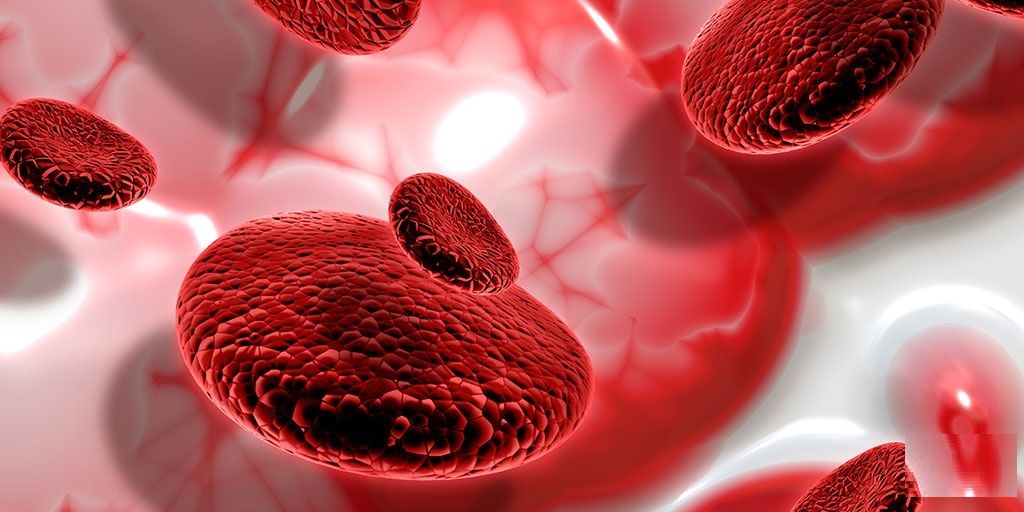
Like blood donation, cells are taken from a blood donor through a vein. The cells travel through the bloodstream to the center of the long bones. With its help, healthy red blood cells, white blood cells and platelets are produced in the patient.
Palliative care
Patients receive palliative care with blood products, antibiotics, anti-viral drugs, and in some cases, immunosuppressants to help prevent graft versus host disease (GVHD), so they can recover.
Autologous (using the patient's own cells)
Autologous transplant uses the patient's own cells to restore the ability to make red blood cells, white blood cells, and platelets after receiving high doses of chemotherapy with or without the radiation needed to treat cancer. The patient's cells may already be collected from surface (circulating) blood or bone marrow and cryopreserved (frozen) for later use.
How are cells collected?
There are two ways to collect blood-forming cells from a patient: apheresis or obtaining bone marrow stem cells.
Apheresis
They can be brought from the bone marrow into the superficial bloodstream using granulocyte colony-stimulating factor (G-CSF) after chemotherapy. Sometimes patients are able to activate these cells only after receiving G-CSF. The patient will then undergo a process called apheresis to collect these cells.
Obtaining Bone Marrow Stem Cells
A procedure to obtain bone marrow stem cells can also be done to collect blood-forming cells directly from the bone marrow. This can be done any time the white blood cell count reaches normal levels.
After the cells are collected through apheresis, or the process of obtaining bone marrow stem cells, they are frozen so that they can be used in the future when the medical team asks for a transplant.
Before the transplant takes place, the patient will be screened for infectious diseases and will find out whether he is medically fit for the transplant or not.
During a transplant, the patient is given high doses of chemotherapy, with or without radiation, to destroy the cancer cells, which take away the patient's ability to make blood cells. Without a transplant, the patient cannot regenerate red blood cells, white blood cells and platelets on his own.
Through a vein, like a blood donation, the patient gets his or her cells back. The cells travel through the bloodstream to the center of the long bones. With its help the patient produces his own red blood cells, white blood cells and platelets.
The patient may be given blood products, antibiotics, and anti-viral medications while waiting for the blood-forming cells to start working.
(People Also Like to Read: Childhood Cancer : How To Cure Your Child?)
Tests Required For Transplant
Transplantation is a physically challenging medical procedure. First the medical team will see if the patient is suitable for a transplant. For this, the team will consider the following things about the patient:
- Age
- General physical condition
- Diagnosing disease
- History of previous treatment
- Donor availability, unless the patient's own cells are used
To make sure the patient can tolerate the transplant; tests will be performed on his heart, lungs, kidneys and other vital organs. These investigations include:
- MUGA scan/echocardiogram/EKG to measure heart function
- Lung capacity test to measure lung health
- Chest X-ray/CT scan to check for lung problems and infection
- Blood tests and urine tests to measure blood count and kidney function, liver function, liver function and exposure to infectious diseases and past infectious diseases.
- Test to check disease status
- Physical examination and medical history
- Dental examination
If they have not been tested before, the patient will have a central line inserted so they do not have to have frequent injections.
The patient will also meet with a social worker or psychologist to discuss family and emotional health. You will also meet with a financial advisor for help with obtaining the insurance money and financial issues.
Finding a Donor
The transplant team of the hospital will help in finding a donor. Full siblings are the first option because the hematopoietic cells of the donor and the patient must have identical genetic markers. These markers are proteins called human leukocyte antigens (HLA). To determine if there is an HLA match, HLA testing is necessary, in which a blood sample is taken from the patient and the potential donor. In some cases, an internal cheek swab sample may be used for this test. The cells are sent to the laboratory for testing.
Since these genetic markers are inherited from parents, the chances of matching a brother or sister are highest. If the patient and sibling have the same biological parents, each brother and sister have a 25 percent chance of being an HLA match to the patient. Because of this, about 70% of patients are unable to find a matching sibling.
If siblings do not match, the care team will find a donor or cord blood unit (if the transplant center performs cord blood transplants) through the National Donor Marrow Program's Be the Match Registry. About 30 percent of patients receive a match from an unrelated donor.
If a perfect match cannot be found, the doctor may suggest using a mismatched donor, which is a donor who will not be a perfect match, but whose HLA will match to some extent. Mismatched donor transplants are quite common, and many are successful.
For patients who cannot find a suitable donor, it is possible in some cases to use bone marrow or peripheral hematopoietic cells from a "half-match" family member. This type of transplant is called a haploidentical (half-match) bone marrow transplant.
Test
Donors must be medically competent to become donors. The donor center, through Be the Match, will screen the potential donor for certain health conditions:
- HIV/AIDS
- Addison's disease
- Severe arthritis, such as rheumatoid arthritis
- Severe asthma
- Autoimmune diseases such as multiple sclerosis, systemic lupus, chronic fatigue syndrome, or fibromyalgia
- Chronic, serious back, hip, neck, or spine problems or surgery
- Bleeding problems, such as hemophilia, aplastic anemia (a disease in which blood stops forming), or multiple deep vein blood clots.
- Brain injury or surgery
- Breathing problems such as chronic obstructive pulmonary disease, emphysema, sleep apnea, or cystic fibrosis
- Cancer
- Diabetes
- Epilepsy
- History of heart disease, heart attack, or heart surgery
- Jaundice caused by mononucleosis or cytomegalovirus (CMV)
- Severe or chronic kidney problems
- Liver disease such as hepatitis, cirrhosis, or Wilson's disease
- Chronic Lyme disease
- Serious mental health illnesses such as schizophrenia
- Previous organ or tissue transplant
- Pregnancy
- Severe psoriasis
- Tuberculosis (T.B.)
- Problems with general or regional anesthesia
Collection of Donor Cells
Hematopoietic cells can be collected from bone marrow, surface (circulating) blood, and donated umbilical cord blood. This process is called obtaining stem cells. And, this treatment can be done under stem cell transplant in India.